
Detailed Overview
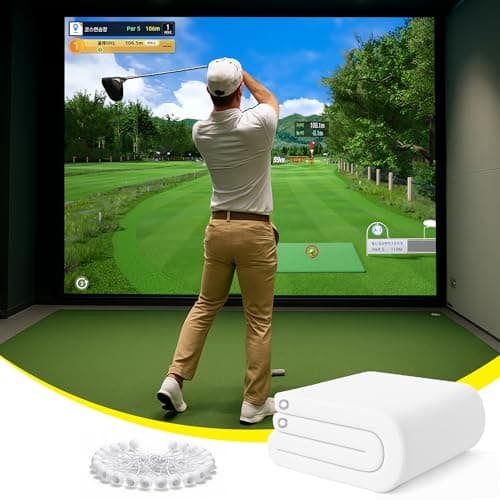
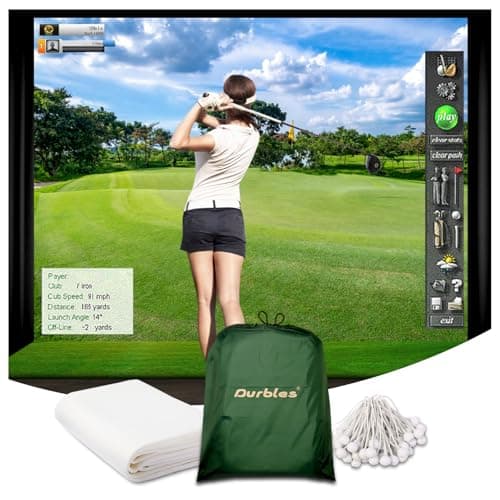
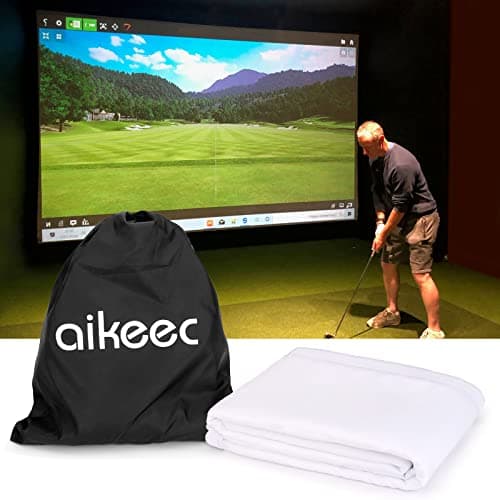
In a home golf simulator, the screen is the surface that turns a projected image into an actual hitting target, so its role goes beyond just being a backdrop. Aikeec's version comes in a 10 ft by 10 ft size, which is meant to work as the back wall of a hitting bay, big enough to cover a standard enclosure while leaving room around the edges to mount it to a frame. The white color keeps the material neutral for projection, since the same panel that stops the ball is also what displays the simulator software's image.
Getting the physical build right matters as much as the screen itself. It only absorbs impacts properly when installed with adequate tension and solid support behind it, whether that's a wood frame, PVC structure, or a commercial enclosure kit. A loose or poorly supported mount undermines both durability and how well the surface holds an image. Grommets along the perimeter are there for exactly this purpose, letting builders pull the material taut and anchor it to whatever frame they're using.
This is a component, not a complete system. It doesn't include a frame, projector, or launch monitor, so it's meant for someone assembling a DIY bay piece by piece rather than buying an all-in-one enclosure. Its size and color make it a straightforward fit for garage or basement setups built around a standard 10-foot frame footprint.
Specifications Explained
A few numbers on the spec sheet matter more than they first appear. The listed weight of 6 pounds is worth noting because a screen this large needs to be light enough for one person to hang and take down without wrestling a frame or asking for help, which matters if your simulator lives in a garage that doubles as parking space. The compact folded dimensions, each well under four inches, tell you this ships and stores as a tightly packed bundle rather than a bulky roll, so you'll want a closet shelf or storage bin rather than assuming it needs a dedicated corner. The package includes two items, which is useful to know before setup: budget for unpacking and identifying both pieces rather than assuming the screen arrives as a single unit. None of these figures tell you much about image quality or impact durability on their own, but they do affect how easily the screen fits into a real garage or basement workflow.
Real-World Considerations
Independent roundup and comparison coverage tends to place the Aikeec 7mm thickened screen among the more durable budget options, citing its reinforced edges and impact tolerance testing. That external assessment doesn't fully line up with the range of experiences described by actual owners, which vary more than a single durability label would suggest. Because the research doesn't include reliable data on manufacturing consistency, it's not possible to say whether differences in outcomes trace back to unit variation, installation choices like tensioning and frame support, or something else entirely. If durability is the deciding factor for a purchase, it's worth treating outside comparison articles as one input rather than a guarantee, and pairing that with a realistic expectation that home simulator setups introduce their own variables, from how tightly the screen is mounted to how the grommets and support structure are handled. Reading a spread of sources, rather than leaning on any single glowing or negative account, gives a more balanced picture here.
Alternatives Worth Considering
The research here doesn't point to specific competing screens by name, so I can't recommend a particular model over this one. What the evidence does support is a sense of who might want to look elsewhere. If consistency matters more than price, the mixed reports from buyers, some praising the screen and others describing early failures, suggest it's worth reading recent feedback closely before assuming you'll get the durable, reinforced-edge unit the design promises. Budget-focused buyers should also factor in that bungee cords and other mounting accessories have reportedly gone missing from some orders, meaning the effective cost could climb once you replace what's missing. Anyone who needs guaranteed hardware completeness or rock-solid build consistency may prefer a pricier, more established simulator screen brand, even though this one's core screen quality holds up well when it arrives intact.
Buying Advice
That said, the mixed quality reports from buyers, some praising it and others reporting early failures, mean you're taking a bit of a gamble on consistency. If you can't tolerate the possibility of needing a replacement or troubleshooting grommet issues, budget in some buffer or consider whether a pricier option is worth it for peace of mind. The research doesn't confirm how it actually stacks up against premium screens like Carl's in long-term durability, so don't assume parity there. Anyone leaning toward this pick should go in expecting a value trade-off, not a guaranteed match for high-end alternatives.
Considering it? Check the price of Aikeec Golf Simulator Impact Screen – 7mm Thickened Ultra-Clear Hitting Screen with 32 Grommets (10ft x 10ft) for Indoor, Outdoor & Garage Training
$96.39 on Amazon
Frequently Asked Questions
How much does the Aikeec 7mm Thickened Golf Simulator Impact Screen cost on Amazon?
Exact current pricing isn't included in the research behind this page, and Amazon prices shift often anyway, so the listing itself is the most reliable place to confirm today's number.
Is quality control consistent across different units of the Aikeec screen, or do some units fail sooner than others?
Reports are mixed: some owners get long, trouble-free use out of the screen while others describe grommets ripping or fraying within days or weeks, which points to unit-to-unit variation rather than a single consistent failure pattern. When early failures do happen, several buyers mention Aikeec's customer service responded quickly with a replacement.
Is the Aikeec screen known for being loud or having poor sound dampening on impact?
Loud impact noise is a recurring complaint. Multiple users describe ball strikes as noticeably loud, which can be disruptive in enclosed indoor setups like garages or basements.
How does the Aikeec screen compare in durability and quality to premium screens like Carl's?
There's no direct side-by-side comparison against Carl's or other premium screens in the available research. What is available frames Aikeec as a budget-tier option that some comparison roundups rate as more durable than typical budget screens due to its reinforced edges, but that's a narrower claim than matching premium-tier construction, so treat it as a budget alternative rather than a like-for-like substitute.
Editorial Verdict
Weighed as a whole, the Aikeec 7mm screen earns its place among budget golf simulator screens on value and image quality alone: buyers consistently call it bright, clear, and a strong deal for the money, and several report it holding up fine with regular impacts when tensioned properly. Roundup comparisons also rank it favorably for durability against other budget options. The real limitation is sizing, since the fixed dimensions and grommet layout suit garages and DIY frames well but can force workarounds for less common simulator setups. If your enclosure matches its footprint, it's a sensible pick; if not, measure twice before buying, since fit is the main thing standing between this screen and a clean recommendation.