Guides
Buying guides
Longer-form guides for the decisions that come before a purchase: how to plan a home simulator, whether your room can fit one, and which launch monitor, projector or mat to actually shortlist. Every pick is grounded in independent testing and owner reports, not marketing copy.
Start here
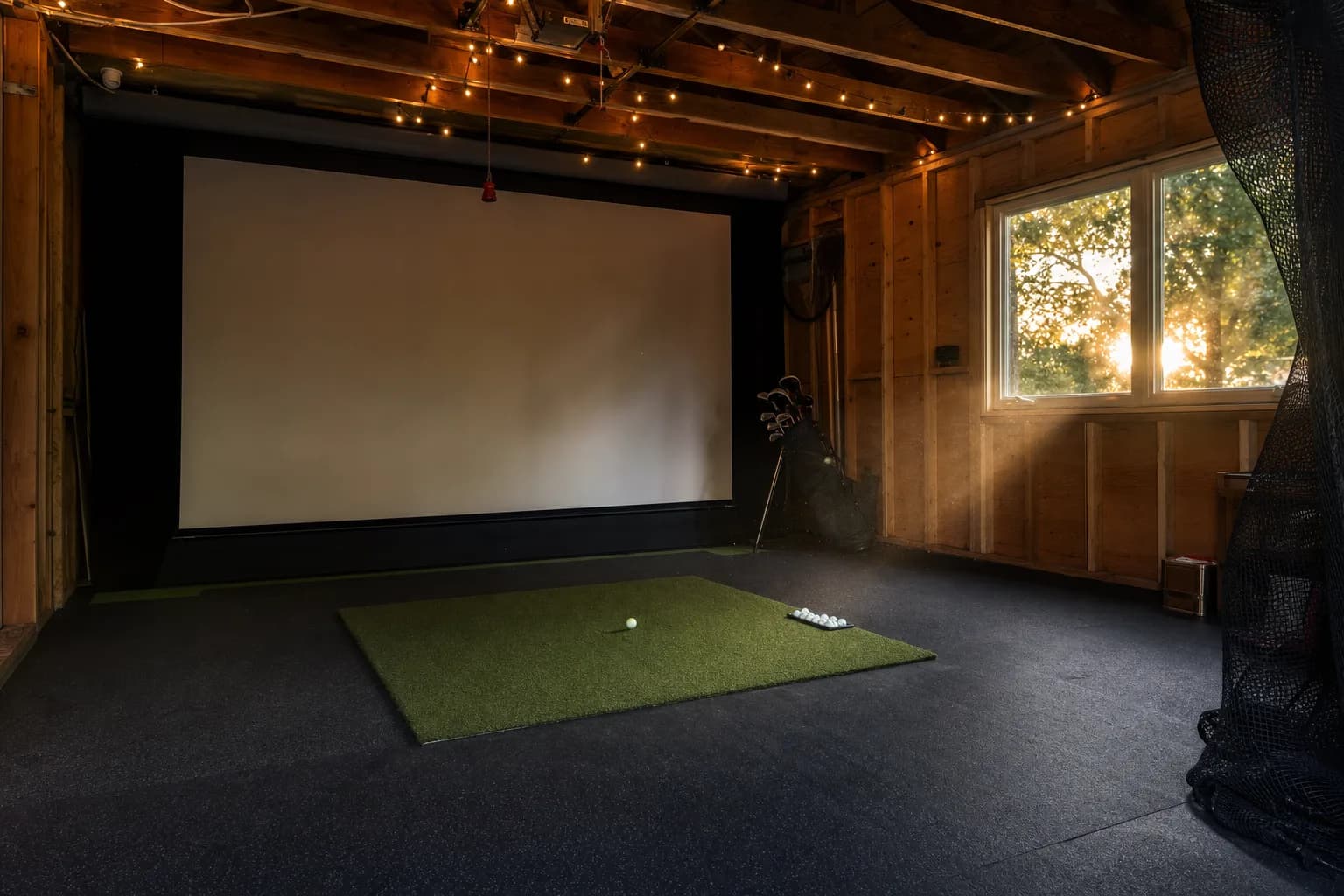
How to Build a Home Golf Simulator
Four decisions determine whether a home simulator works: your room, your launch monitor, your budget, and whether the pieces you buy actually fit together.
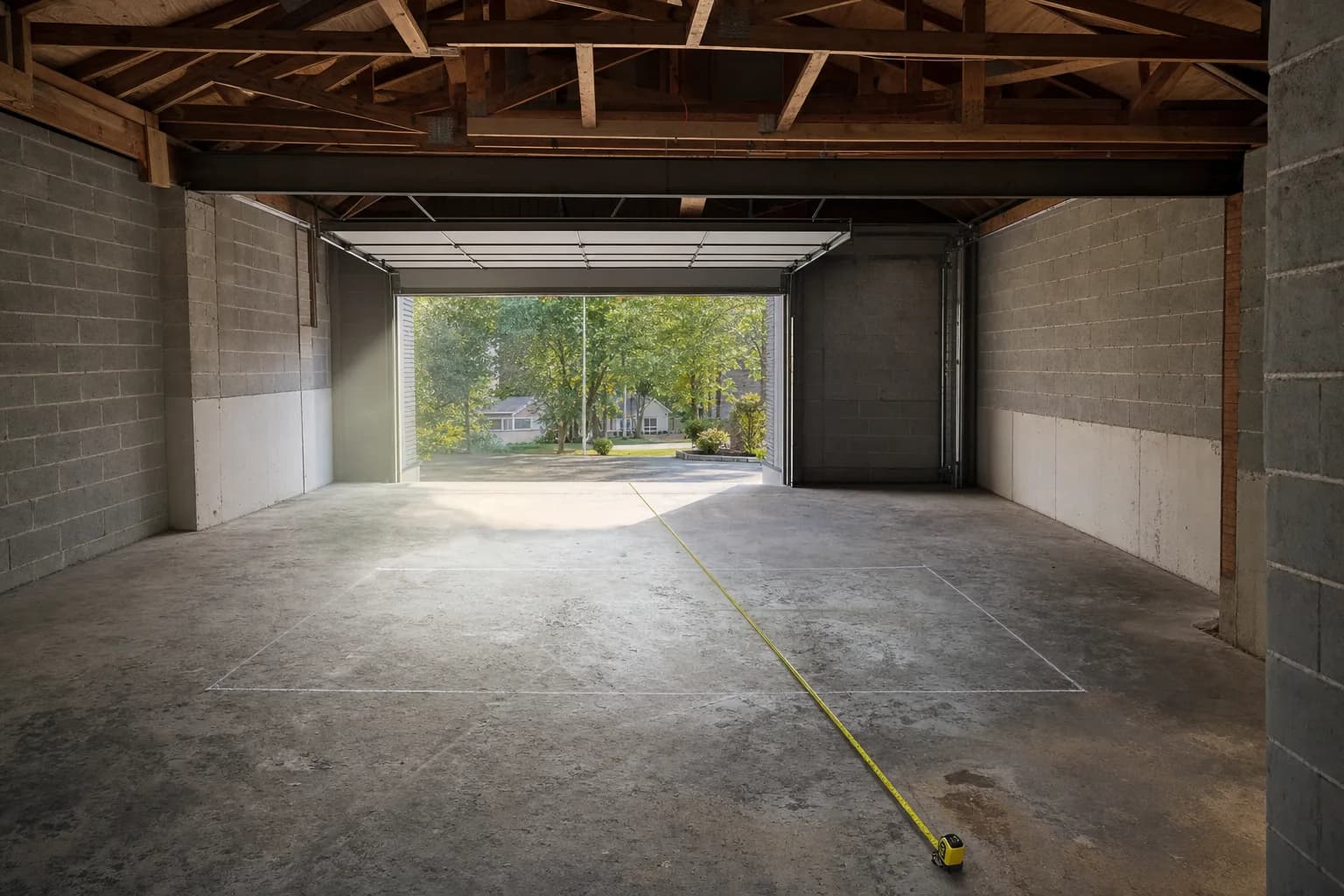
How Much Room You Need for a Golf Simulator
Ceiling height, swing clearance, and how much runway your launch monitor needs decide whether a space works, not a single universal number.
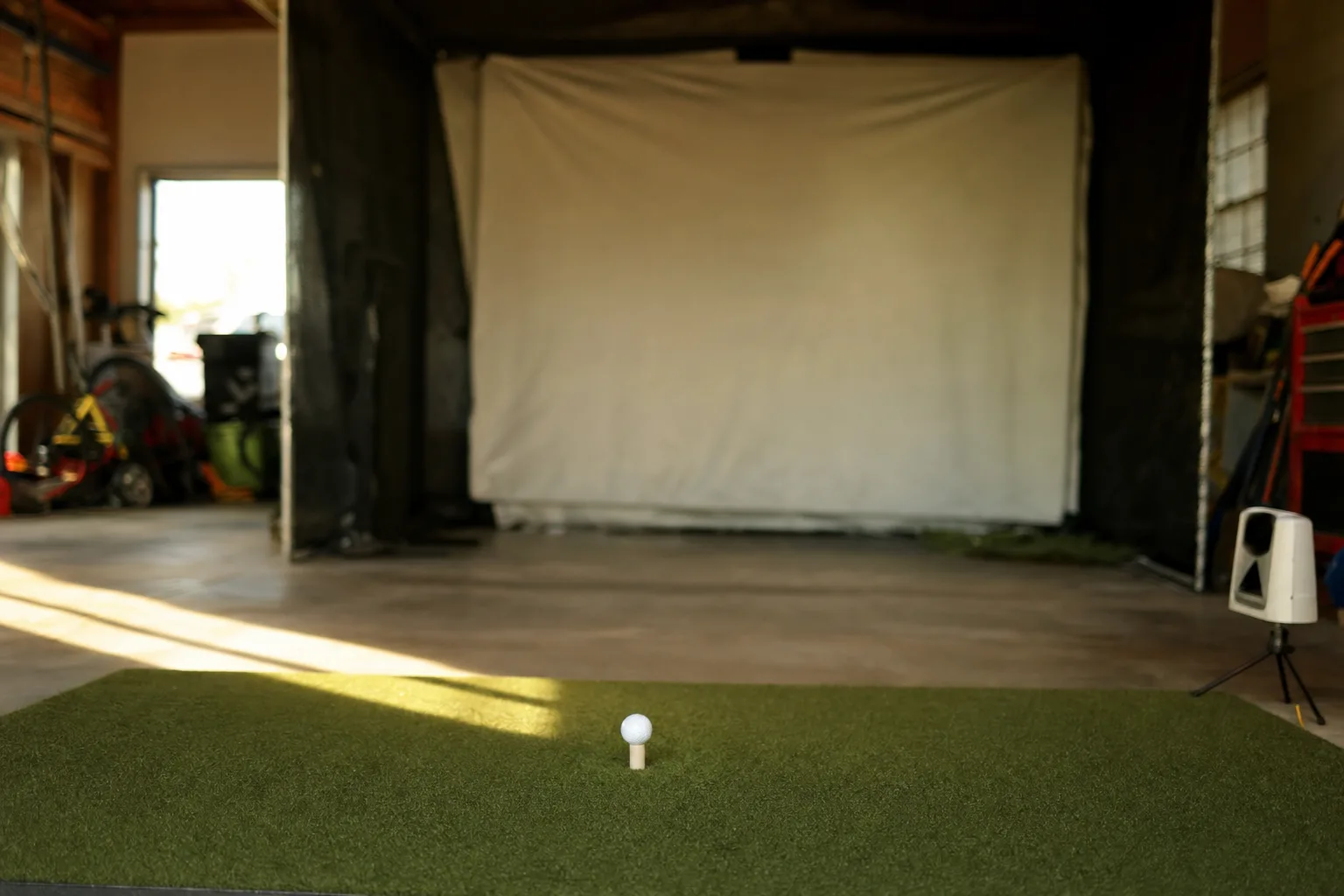
How to Choose a Golf Launch Monitor
A launch monitor is the most expensive single decision in a simulator build, and the hardest to reverse. Here is what actually determines which one fits you.
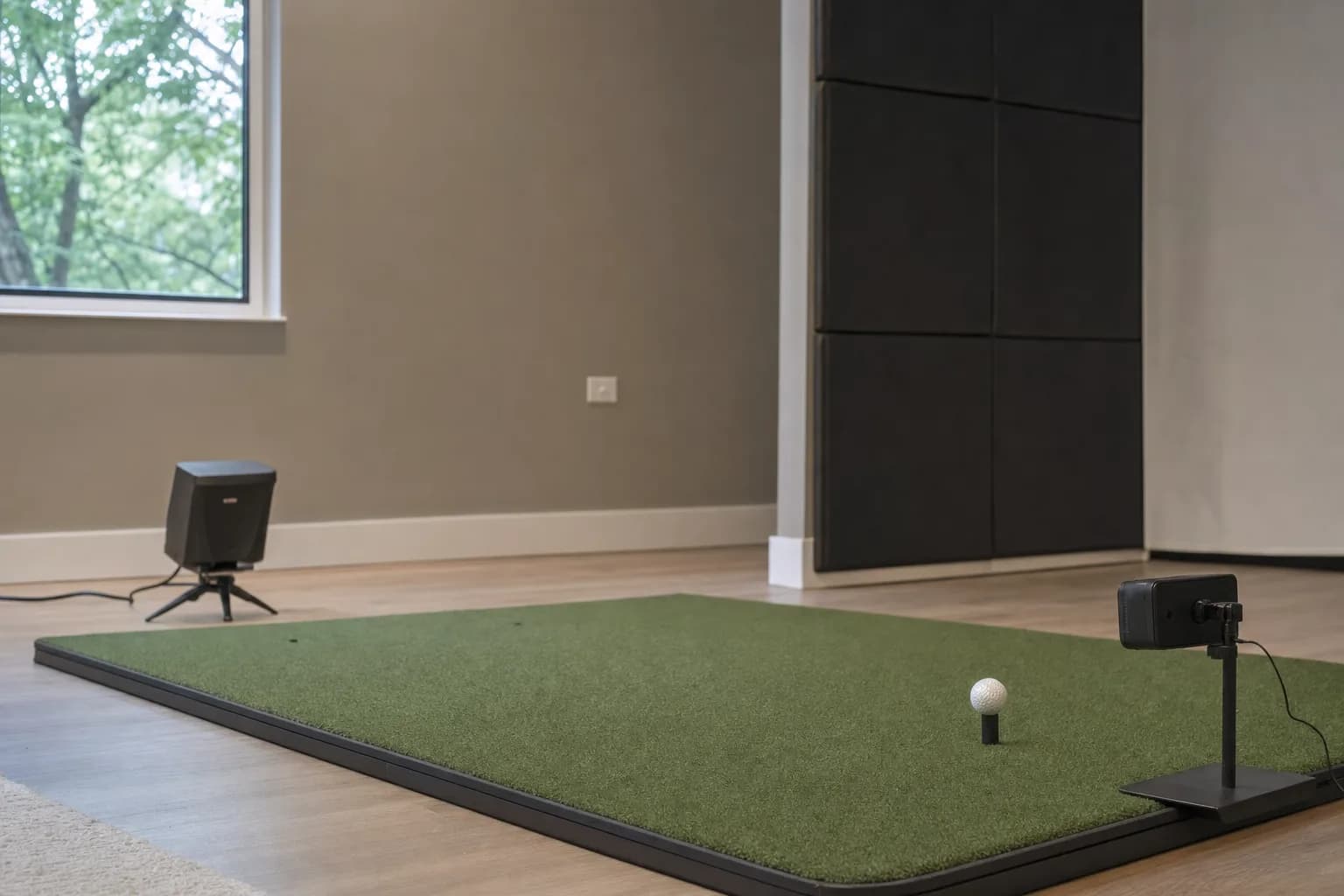
Radar vs Camera Launch Monitors, Explained
Every launch monitor reads a shot in one of two ways, and which one you can use is set by your room, not your budget. Here is the difference and what it means for your shortlist.
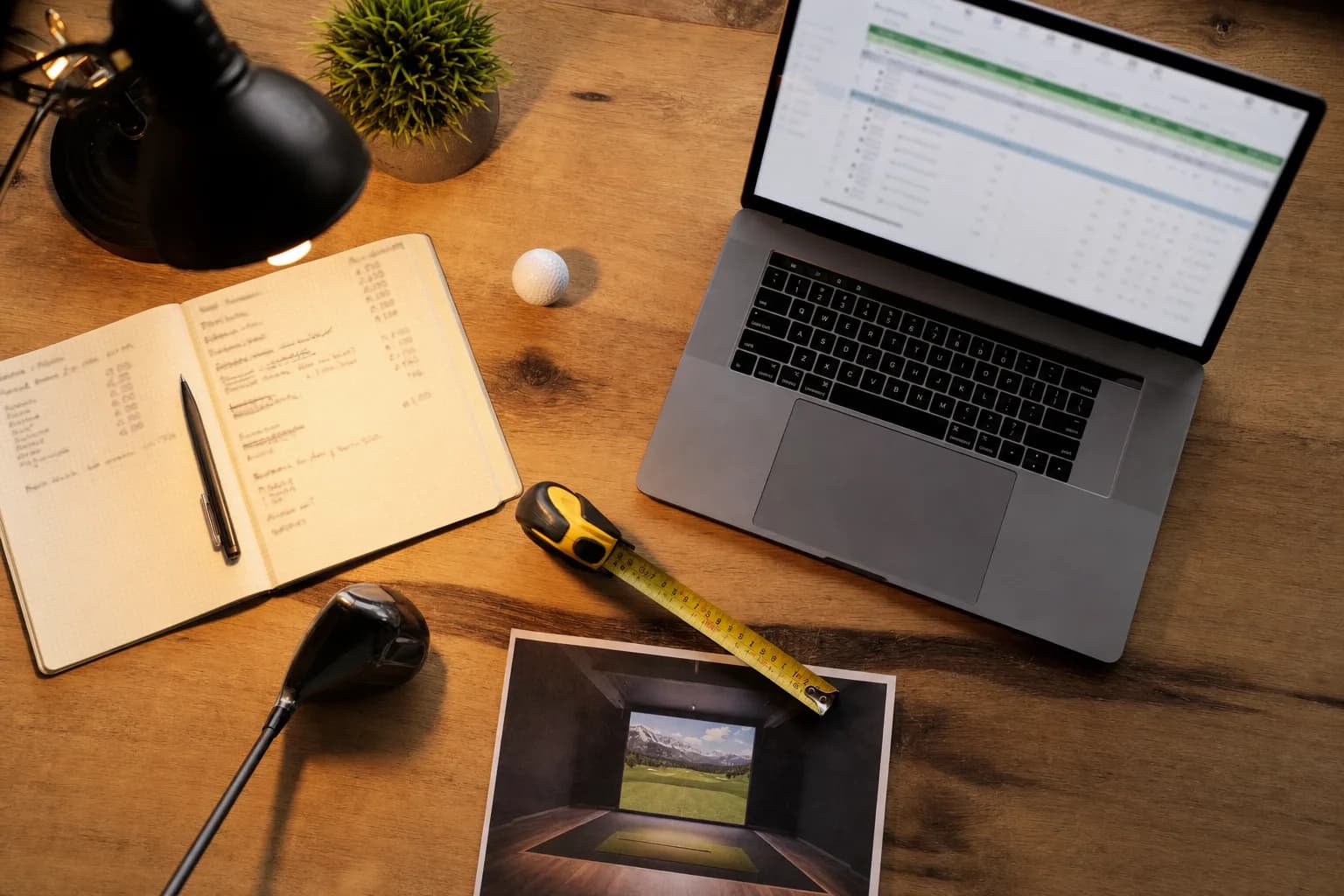
How Much a Home Golf Simulator Actually Costs
A working setup starts around a few hundred dollars and a full projected build runs into the thousands. Here is what each part really costs and where people overspend.
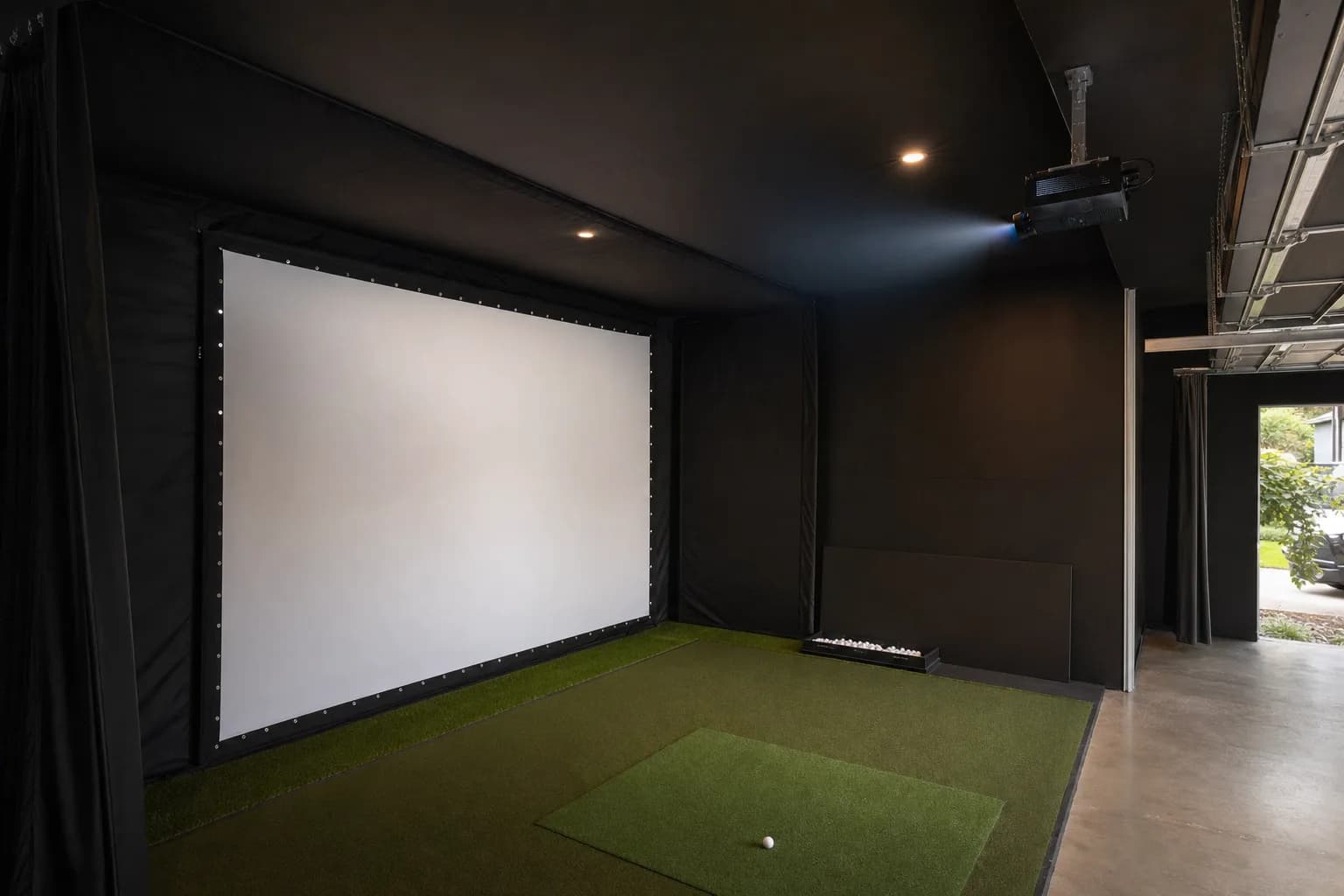
How to Choose a Golf Simulator Screen and Projector
The screen and the projector are bought together and have to work together. Here is what decides whether they will, and which real units fit which room.
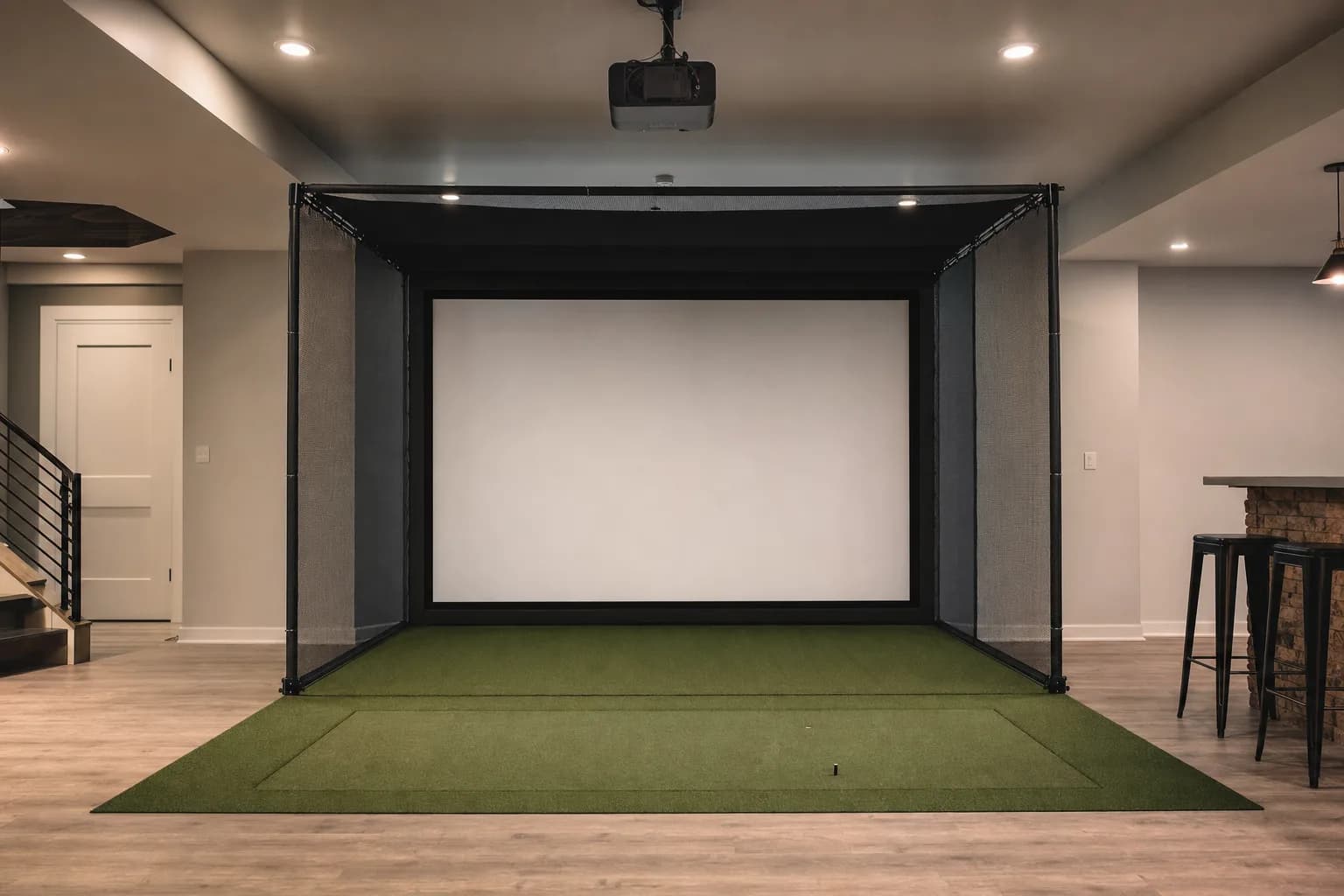
The Best Home Golf Simulator Setups, by Budget
A home simulator is five or six purchases that have to work together, not one product. Here is how to spend a limited budget well, from a net-and-launch-monitor corner to a full enclosure.
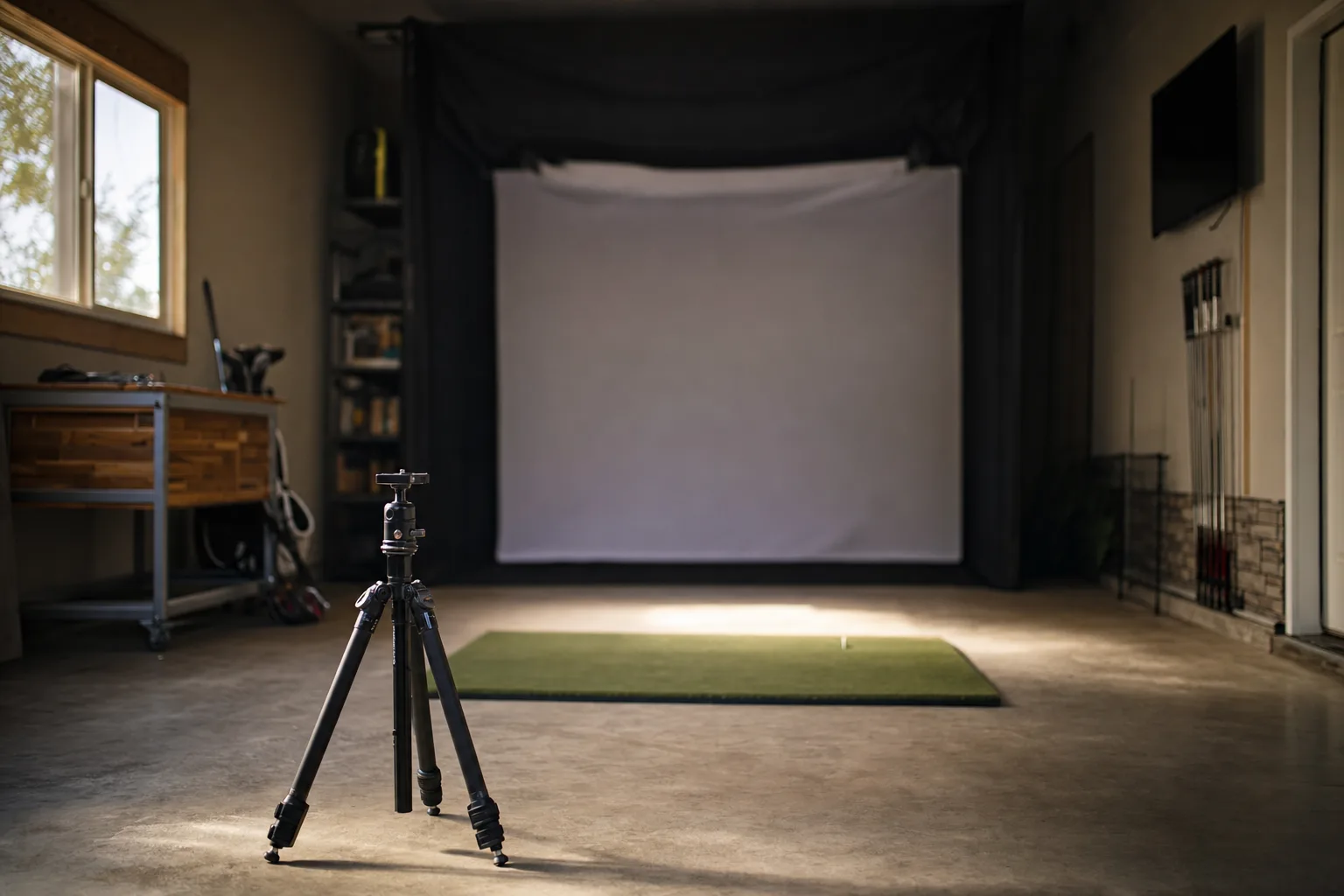
The Best Golf Launch Monitors for a Home Simulator
The launch monitor is the one purchase that decides how good your simulator feels and how much you spend. These are the units worth shortlisting, and who each one actually fits.
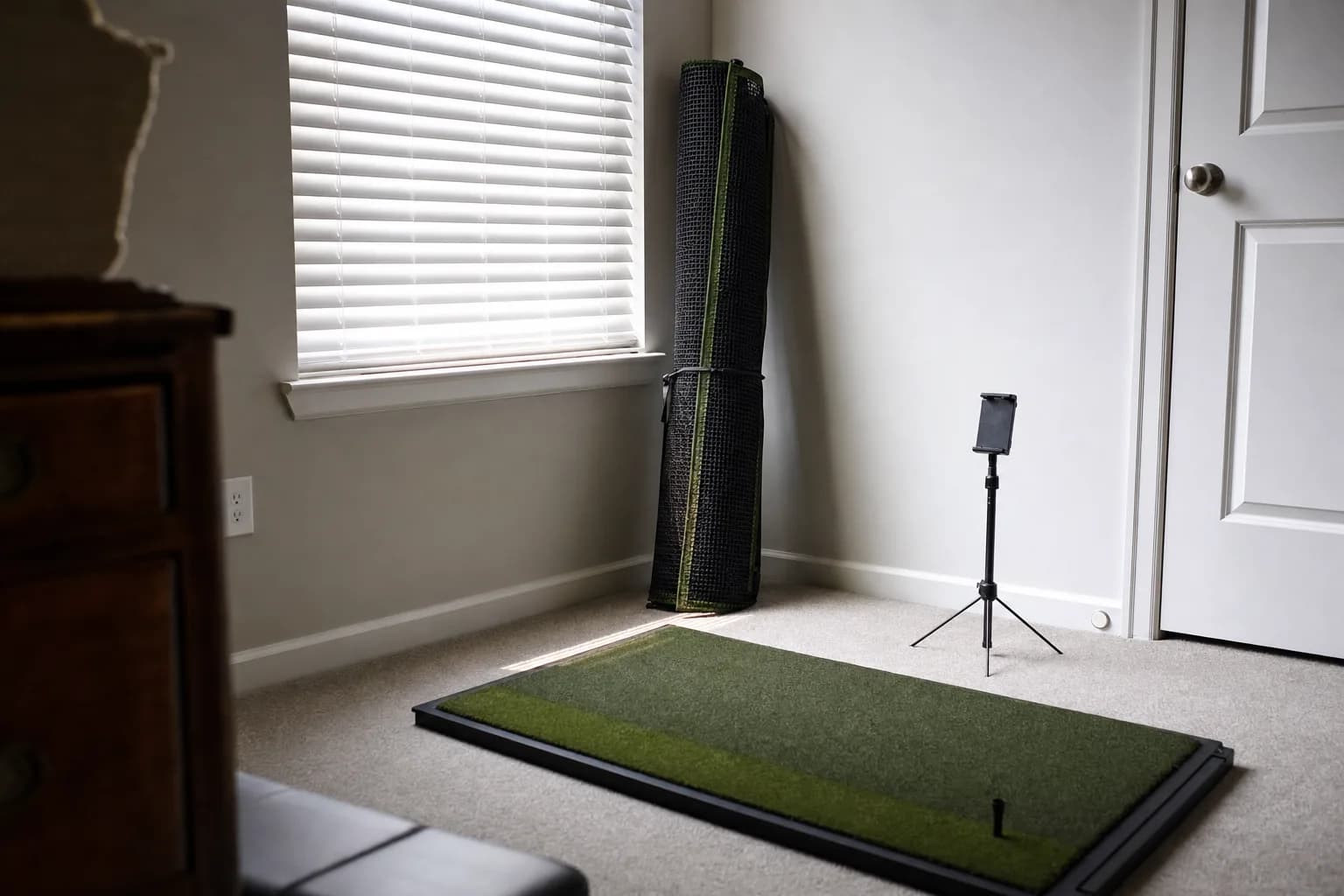
The Best Budget Golf Launch Monitors
Under about $700 you can get honest ball and club speed, real carry numbers, and in some cases a working simulator. Here is what each budget unit does well and where it stops.
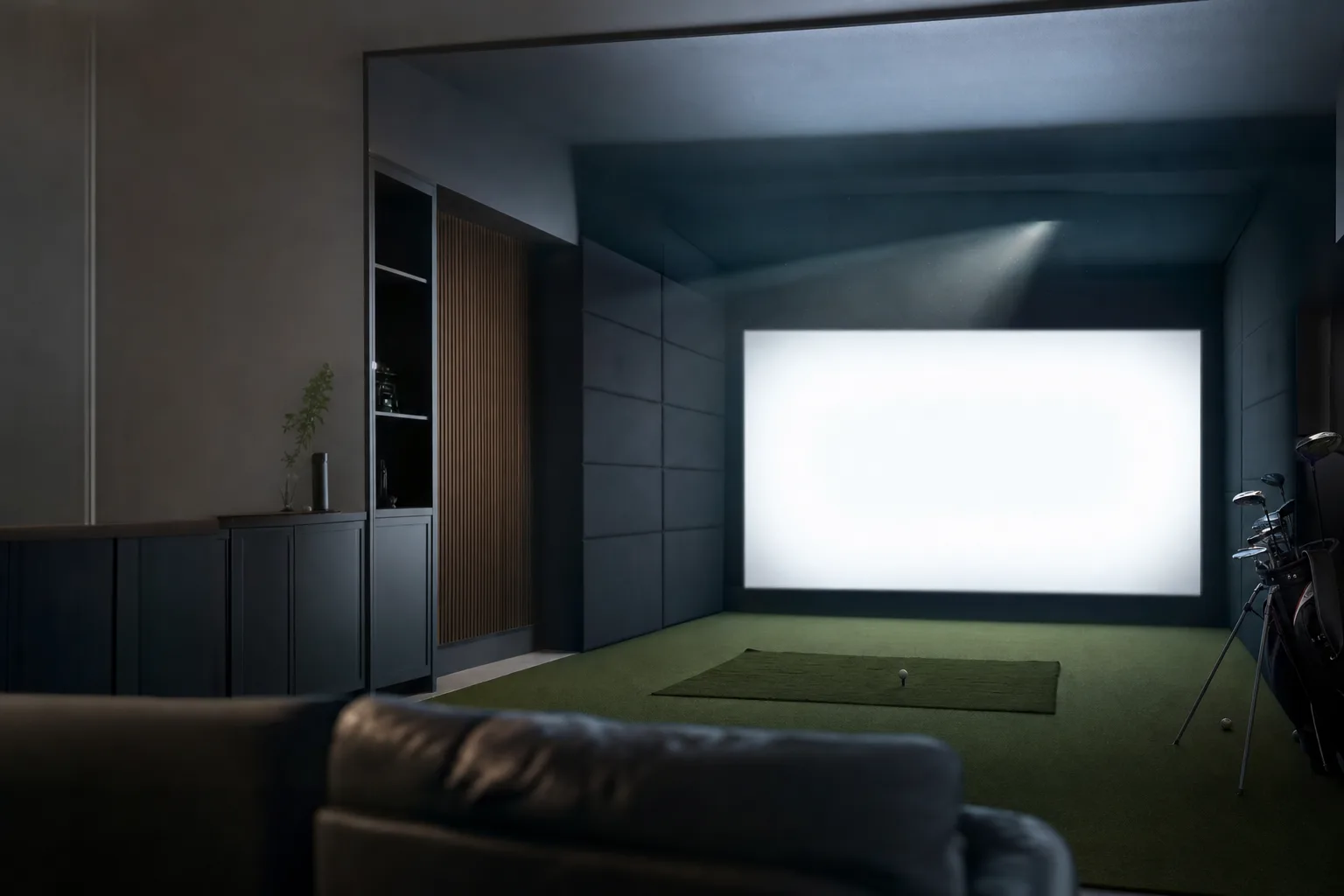
The Best Golf Simulator Projectors
A simulator projector has one hard job: throw a bright, square image onto an impact screen from a few feet away. These are the units that do it well, at every budget.
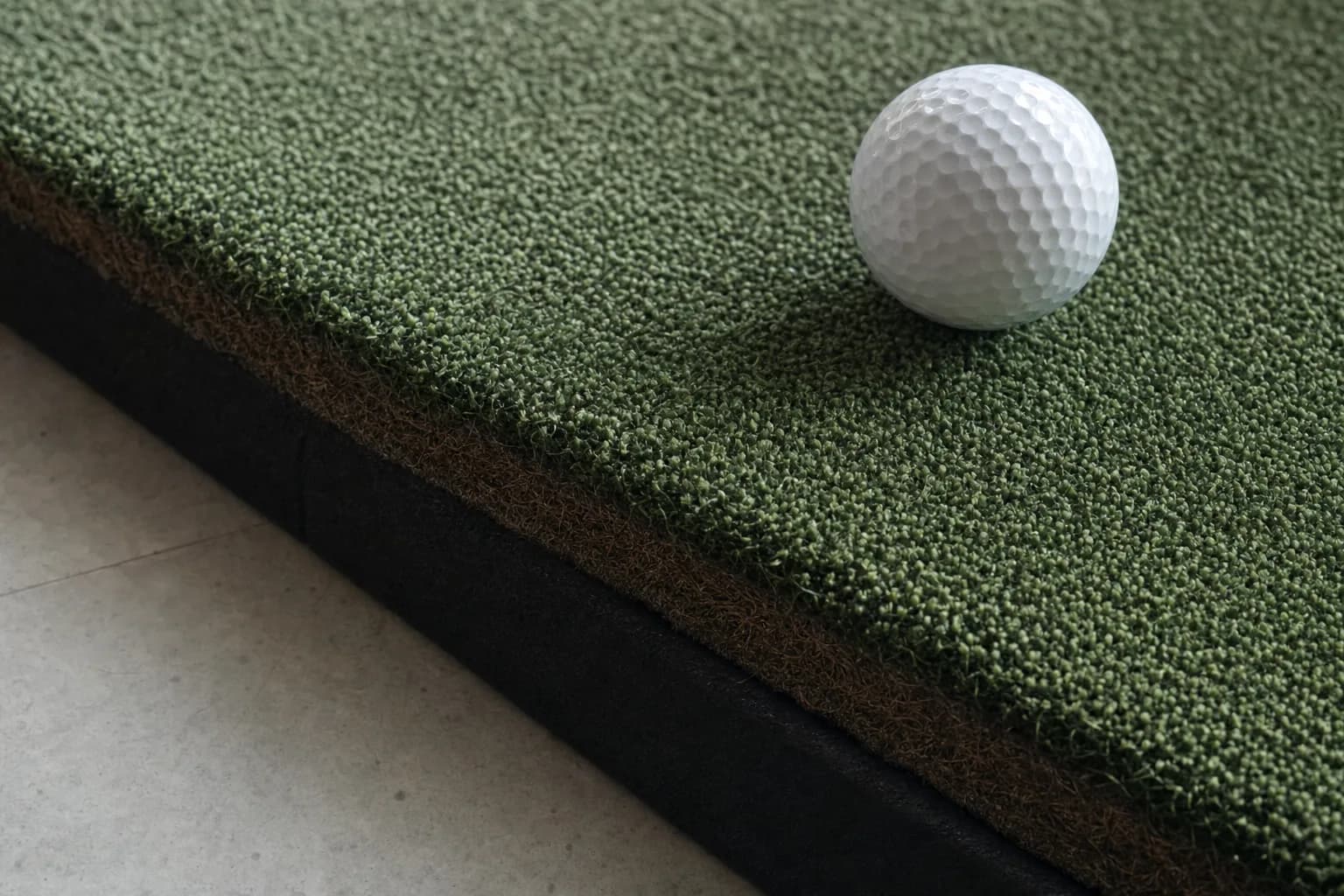
The Best Golf Hitting Mats for a Home Simulator
A hitting mat has to protect your joints over thousands of swings, sit still on concrete, and read cleanly for your launch monitor. Here is what separates a good one from a hard rubber pad.