
The short answer
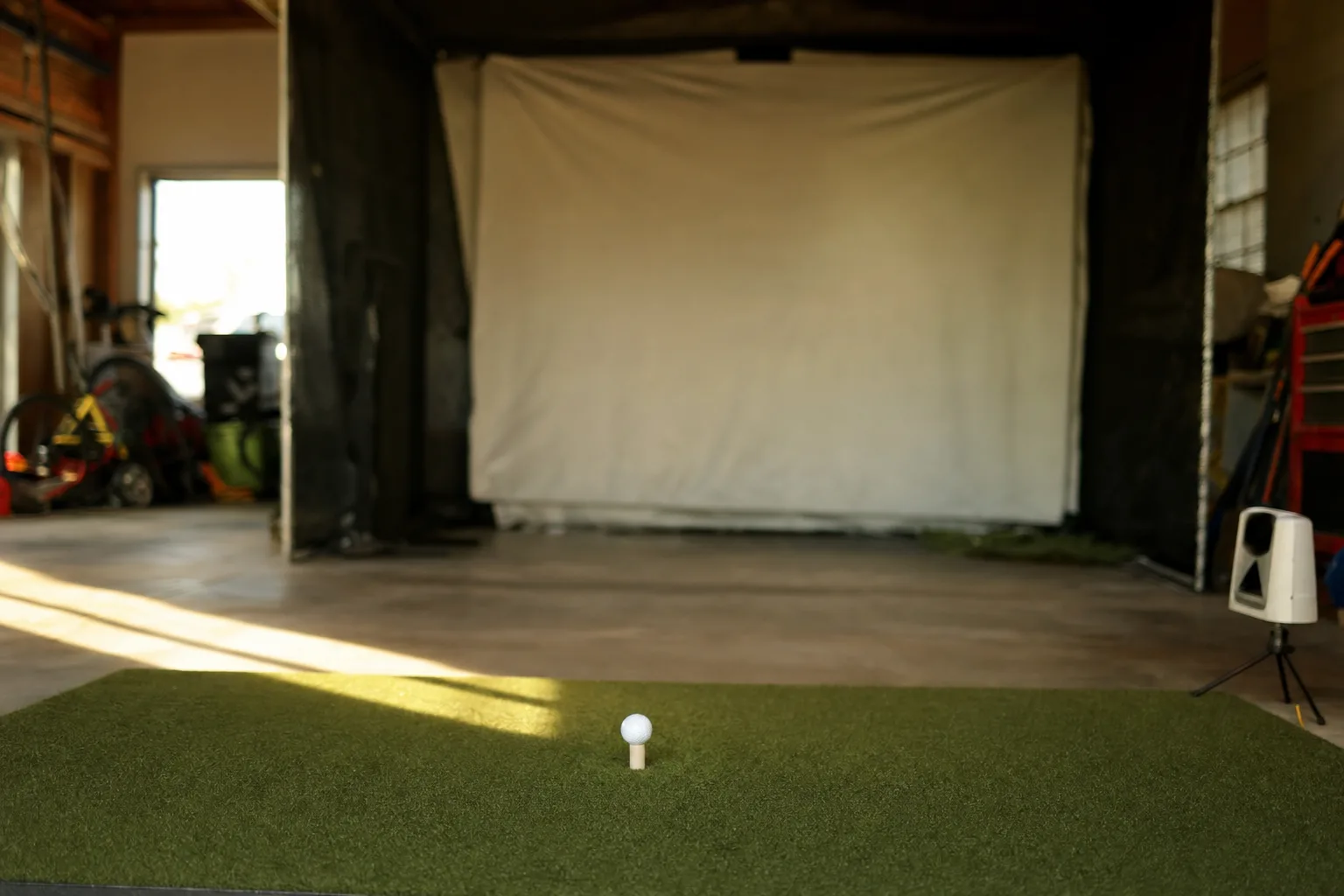
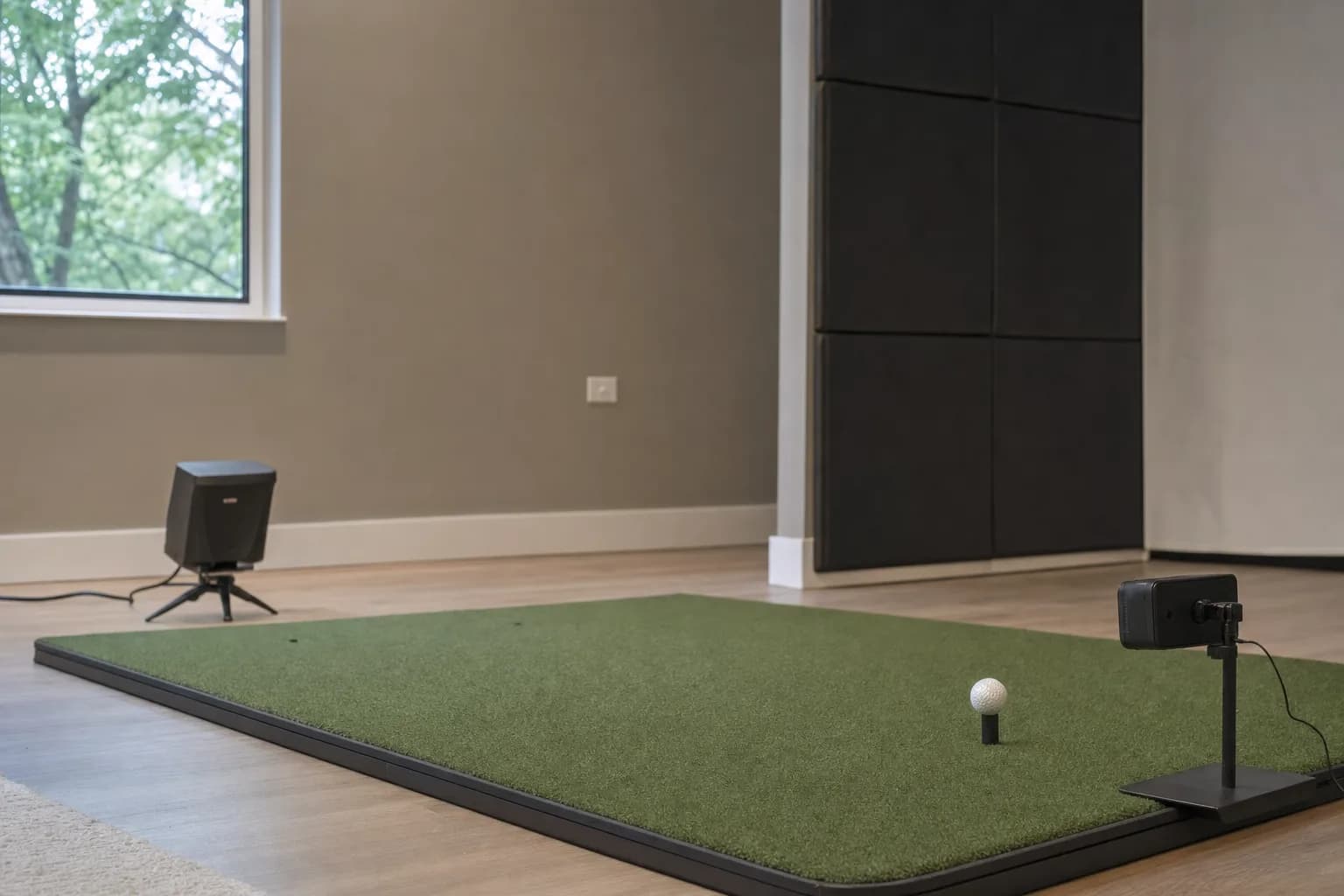
A radar launch monitor sits behind you and tracks the ball through the first part of its flight. A camera launch monitor, also called photometric, sits beside or just in front of the ball and photographs it and the clubface at the moment of impact.
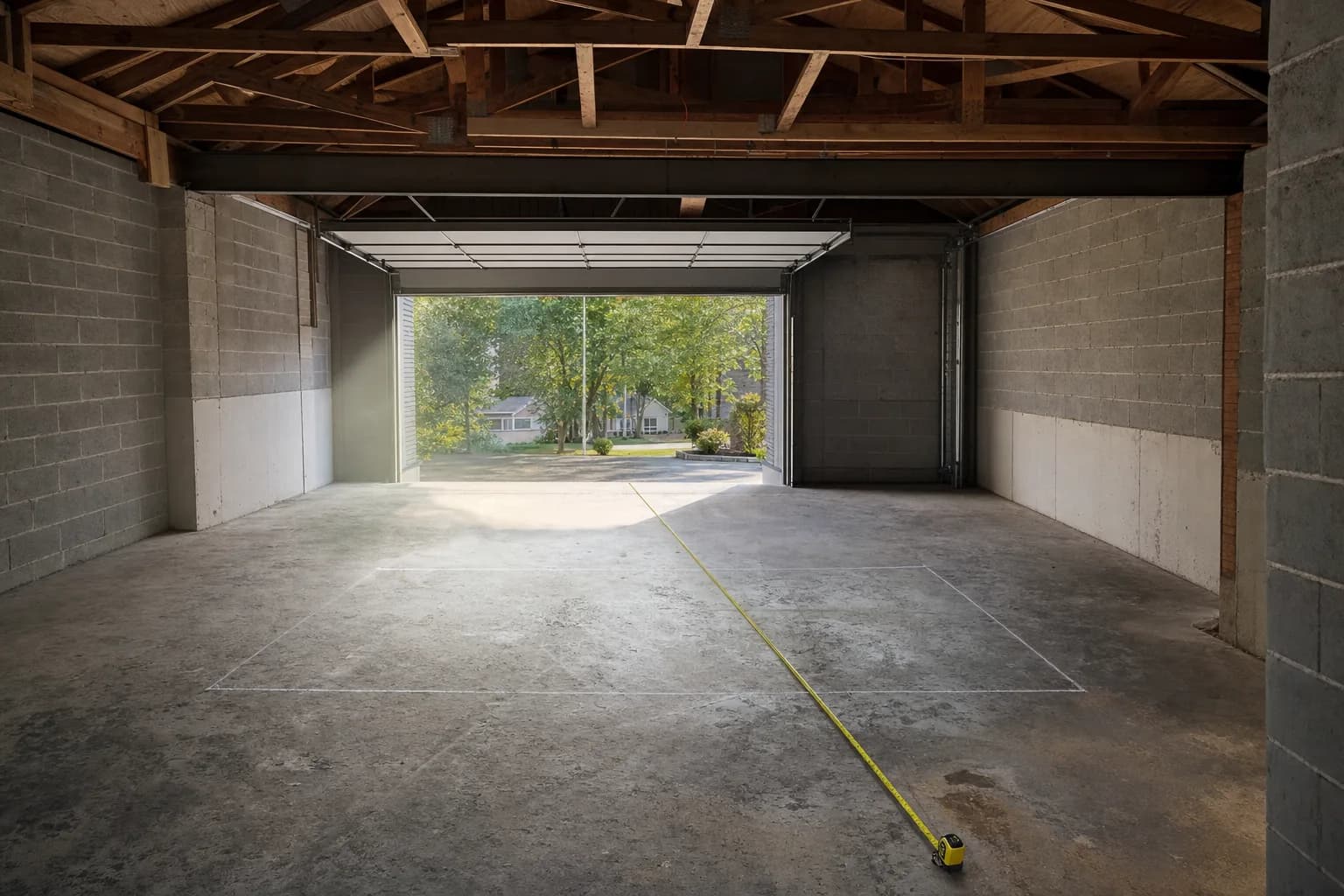
- Radar needs depth: roughly six to eight feet of clear space behind the ball and a similar distance to the net or screen. It is happiest outdoors or in a full-depth indoor bay.
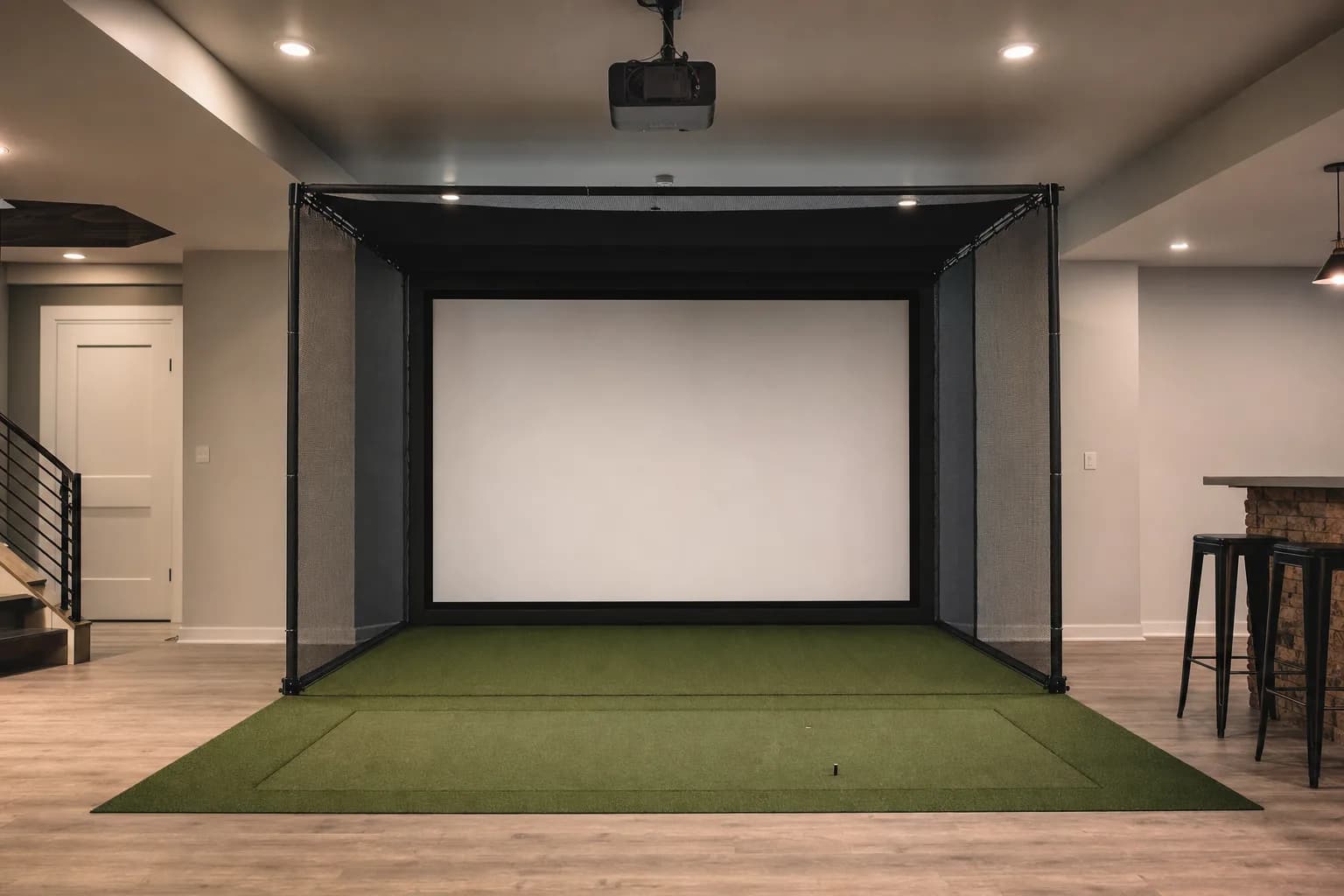
- Photometric needs almost no depth, which is why it dominates in short rooms, but it is fussier about consistent lighting and exact placement, and cheaper ones can lag between your strike and the ball appearing on screen.
- At the same price, neither is clearly more accurate. The differences that matter are room fit, latency, and whether spin is measured or modelled.
Measure your space before you compare specific units. If your bay is under about ten feet deep, a radar unit is working from a fraction of the ball flight it was designed to see, and no firmware update changes that.
How a radar launch monitor works
A radar unit emits a Doppler radar signal and measures how the frequency shifts as the ball and club move through it. From that it derives ball speed, launch angle, and the ball's early trajectory, then models the rest of the flight, including carry distance, from a ballistic model.
The strength of radar is outdoors and in a deep room, where it sees enough real ball flight to work with. It is also generally more forgiving of the exact hitting surface, since it is not photographing the ball on the turf. The catalogue's radar units include the Garmin Approach R10, the Rapsodo Mobile Launch Monitor, the Voice Caddie SC200Plus, the Shot Scope LM1, the PRGR HS-130A and the GolfBuddy Shot Mate.
- Spin on most consumer radar units is modelled from ball speed and launch rather than measured directly, so treat spin numbers as trends over many shots, not exact figures. The Rapsodo MLM2PRO is the exception, adding a camera to measure true spin with marked balls.
- Range balls read short and some units have no way to normalise for them, so your driving-range numbers will not match your own-ball numbers.
- Metal structures and other radar sources at a busy range can cause misreads.
- Indoors, a short bay clips the ball flight the unit needs, and wedges and short irons, which never climb into the radar's window, get the least reliable numbers.
How a camera (photometric) launch monitor works
A photometric unit uses one or more high-speed cameras to capture the ball, and often the clubface, in the first few inches after impact. From those frames it measures ball speed, launch angle, spin, and, on units built for it, club path and face angle directly rather than modelling them.
The strength of photometric is a short room: it reads the ball at impact, so it needs almost no depth behind the ball. It also tends to measure spin directly, which is why the photometric units are the ones people trust for club fitting. The catalogue's photometric units are the original SkyTrak, the SkyTrak ST MAX (which adds a radar element), the Uneekor EYE MINI and the Bushnell Launch Pro.
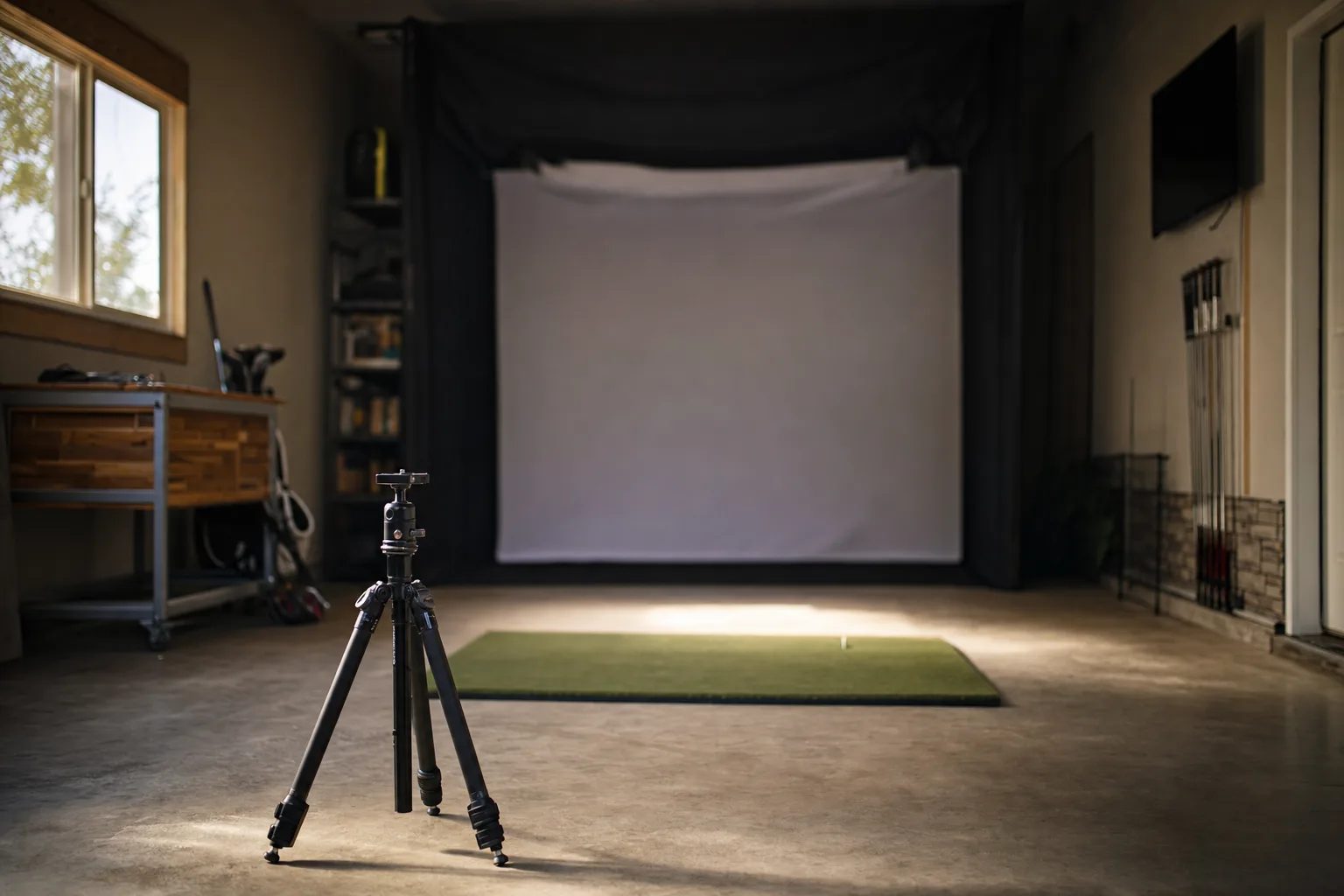
- Lighting matters. Harsh shadows, a bright window in the camera's view, or light that changes through the day all degrade read consistency. Even, diffuse light is the target.
- Placement is exact. The unit has to sit level, at the right height, and at its specified distance and angle from the ball. A few inches off is a common, fixable cause of noisy data.
- Latency varies. The original SkyTrak has a noticeable pause between the strike and the result; the Uneekor EYE MINI and newer units are near-instant. If you value a fast practice rhythm, check this specifically.
- Mat pattern can matter. A busy turf pattern right under the ball makes it harder for a camera to isolate the ball cleanly; a simple, consistent surface helps.
Side by side
| Radar | Camera (photometric) | |
|---|---|---|
| Where it sits | Behind the golfer | Beside or just in front of the ball |
| Space needed | 6 to 8 ft behind the ball, plus flight distance | Almost none; reads the ball at impact |
| Best environment | Outdoors or a deep indoor bay | A short or narrow indoor room |
| Most sensitive to | Having clear space behind the ball; range balls; nearby metal | Consistent, even lighting; exact placement |
| Spin | Usually modelled from ball flight (MLM2PRO measures it) | Usually measured directly |
| Latency | Generally fast | Near-instant on newer units, a noticeable pause on older ones |
| Typical price of entry | Lower; the sub-$250 net trainers are all radar | Higher; the entry photometric units start around mid-range |
The practical differences. Neither column is 'better'; they fit different rooms and priorities.
Which is actually more accurate?
This is the most common question and the answer disappoints people who want a single winner. At a given price and used correctly, the two are close on the numbers most golfers care about, ball speed and full-swing carry. The real accuracy story is about the hard cases.
- For fitting-grade spin and club data, the photometric units that measure those directly, the Bushnell Launch Pro and Uneekor EYE MINI, are the ones independent tests put closest to premium references like the GC3 and TrackMan.
- For a budget radar unit, spin is a directional trend, not a fitting number, and indoor short-iron data is its weak point.
- Off-centre strikes produce the shakiest readings on any sensor, radar or camera, at any price.
- Setup is the biggest single variable on both types. A unit a few inches off its spec, a firmware version behind, or low on battery produces noisy data that gets blamed on the sensor.
SkyTrak versus FlightScope, another common face-off, is really this same radar-versus-photometric question: FlightScope's home units are radar, SkyTrak is photometric. The choice comes back to your room and whether you want measured spin.
The hybrid units
A few units combine both. The Rapsodo MLM2PRO pairs a camera with radar so it can measure true spin and record swing video while still working as a portable range tool. The SkyTrak ST MAX adds dual Doppler radar to SkyTrak's photometric camera. Hybrids aim to get the spin measurement of a camera with some of the flexibility of radar, at the cost of still needing the space and setup discipline their radar half wants.
How to choose between them
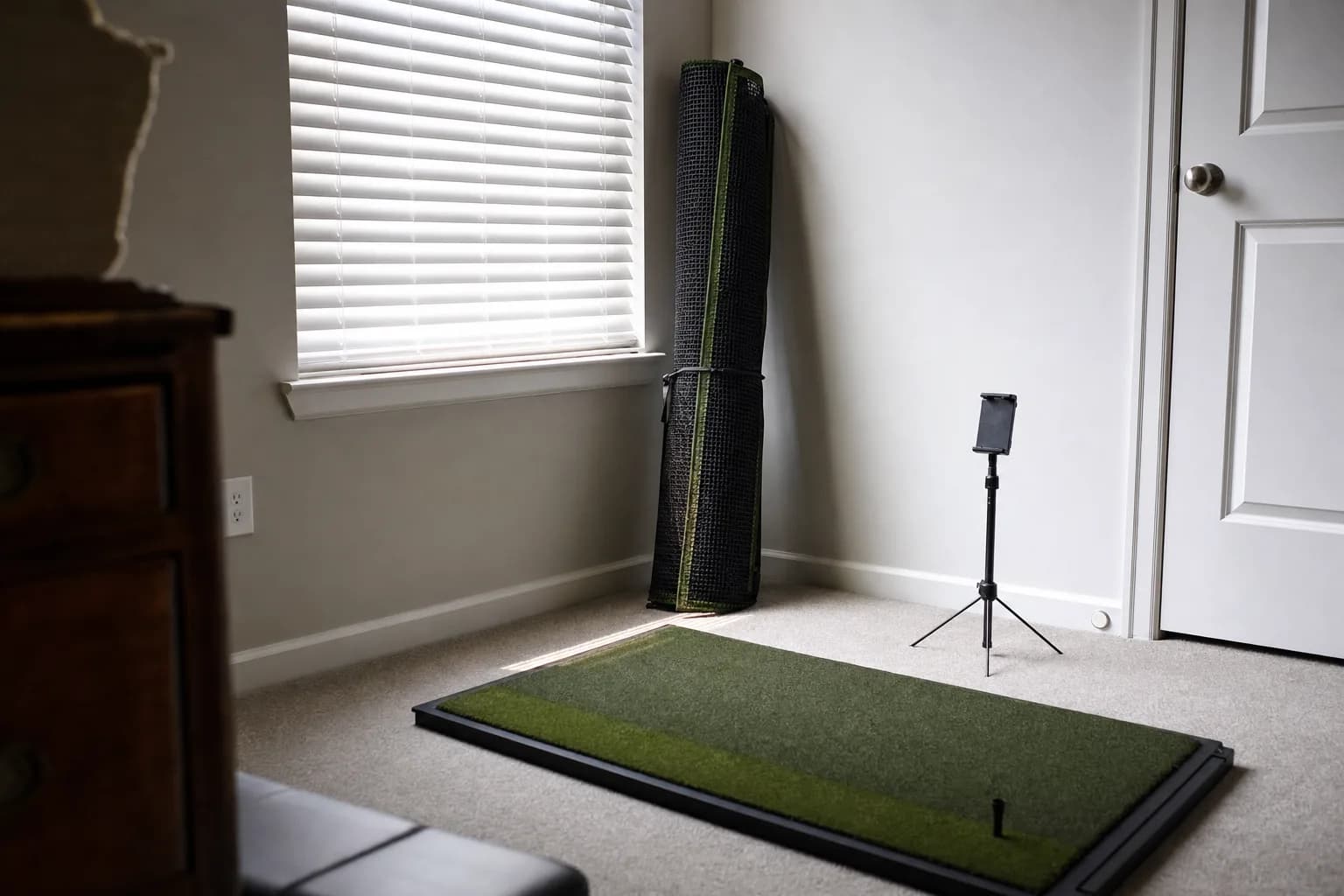
- Your bay is under about ten feet deep: photometric. This is the deciding fact, ahead of budget.
- You mostly practise outdoors or at a range: radar. It is what these units are best at, and the portable ones are built for it.
- You want fitting-grade spin and club data: photometric, specifically one that measures those directly.
- You want the cheapest way into real data on a net: radar. The sub-$250 speed-and-distance trainers are all radar.
- You want a full simulator in a small room on a mid budget: photometric, and the Uneekor EYE MINI is the one I would build around.
Once you know which type, the best golf launch monitors roundup makes the pick, with a separate budget launch monitors list for the sub-$700 band. The selection guide covers the rest of the decision, which metrics you actually need and what changes as you spend more.
Common questions
Is the Garmin R10 or the Rapsodo better? The R10 is radar with the widest simulator software support at its price. The Rapsodo MLM2PRO is a camera-plus-radar hybrid that measures true spin and records video. If you want the broadest sim compatibility, the R10; if you specifically want measured spin on a budget, the Rapsodo.
Do camera units need special lighting? They need consistent, even light, no harsh shadows, no bright window in the camera's view, and light that does not change much between sessions. A basic set of overhead lights usually does it; a garage with the door open mid-session is the problem case.
Can a radar unit work indoors at all? Yes, in a room with real depth, six to eight feet behind the ball plus flight distance to the screen. In a shorter room the data degrades, especially on wedges.
Does a hybrid unit need less space than a pure radar one? Somewhat, but not as little as a pure photometric unit. The radar half still wants room to see the ball, so a hybrid is a compromise, not a short-room solution.
Is there a cheaper alternative to a TrackMan? Yes. The photometric units at the top of the consumer range get close enough for club fitting, and the mid-budget units of either type get close enough for meaningful practice, at a fraction of the cost.
Where to go from here
Browse every launch monitor review
Grouped by budget and room size, radar and photometric.