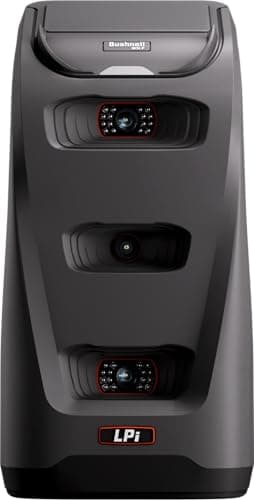

Detailed Overview
In a home simulator, this launch monitor is the data engine that everything else builds around. It sits between your hitting area and whatever software or screen you're using, translating ball flight into the numbers a simulation package needs to draw a shot on screen. That data feed is where tour-level accuracy matters: the more precise the launch numbers, the more the on-screen result matches what actually happened at impact.
Getting full value out of that data isn't automatic. The unit itself handles capture and connects reliably to a phone or tablet, but unlocking club-level metrics and running a complete simulated round typically means stepping up into one of the paid subscription tiers. Budget for that as part of the system cost, not an afterthought, since the hardware alone won't give you ball flight, club path, and full course play together.
Build quality matters here too, since this isn't a static piece of gear tucked in a corner. It gets moved between an indoor bay and outdoor sessions, connected and disconnected from mobile devices repeatedly, and expected to hold calibration through all of it. A simulator setup only performs as well as its weakest link, and this component is built to not be that link.
Specifications Explained
The numbers on the spec sheet matter more than they look at first glance. At roughly 8 by 8 by 5 inches and 5 pounds, this unit is small enough to move between a garage bay and a backyard mat without needing a dedicated setup crew, and light enough that one person can carry it in a bag pocket rather than a hard case. That size and weight combination is the practical difference between a launch monitor you actually use every week and one that stays boxed up because moving it is a hassle. The orange and black finish is mostly a visibility choice: easier to spot on a mat or in a bag, though it has no bearing on performance. It ships as a single unit, so there's no bundled accessory kit to account for when budgeting your setup. The listed release date places this as a current-generation product rather than a leftover older model. Beyond these physical and packaging details, we don't have supplied data on shot accuracy, tracking method, or connectivity, so we won't speculate on how it performs on those fronts.
Real-World Considerations
Community feedback centers on a few recurring themes beyond the core accuracy discussion. Several users flag the lack of built-in impact detection as a real gap, since it means you're relying on ball flight data alone rather than confirming actual club-to-ball contact. That's a fair trade-off for some golfers but a dealbreaker for others who want that extra layer of verification. Another pattern that shows up in setup discussions: mixing right- and left-handed golfers in the same session is more finicky than expected, requiring extra reconfiguration that some users find annoying in a shared or multi-player setup. On the ecosystem side, forum threads note that getting full value often means stacking Bushnell's own subscription with a separate simulator license like GSPro, which adds ongoing cost beyond the hardware itself. This is viewed less as a hardware flaw and more as a structural cost of the overall platform. Sentiment on these specific points is consistent across sources, though it represents a narrower slice of feedback than the broader accuracy and value discussion.
Alternatives Worth Considering
If you're mainly comparing this unit against other launch monitors, the research here doesn't include specs or pricing for competing devices, so a direct feature-by-feature comparison isn't possible from what's available. That said, a few trade-offs are worth flagging before you commit close to two grand. If ongoing subscription costs for club data and simulator access don't sit well with your budget, a device with those features built in in the box might suit you better long term. Households or coaching setups with both right- and left-handed players should also weigh the extra setup friction here against something designed for quicker handedness switching. And if impact detection matters for your practice routine, that's a gap worth checking against other options before buying, since it's not something this unit offers.
Buying Advice
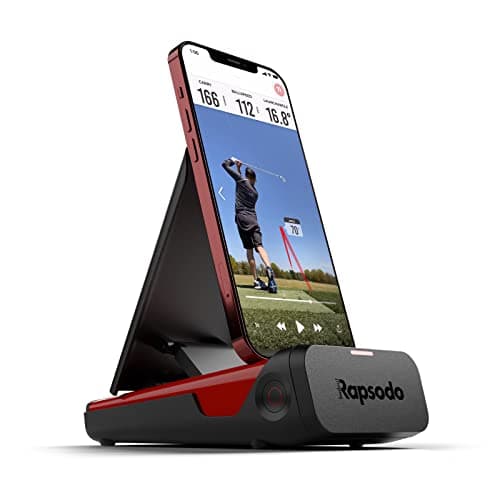
At just under two thousand dollars, this sits squarely in the prosumer bracket, so it makes sense for a golfer who has already decided they want tour-style data and isn't shopping on a budget. If battery life matters to your routine, that's one area where this unit holds up well over long sessions, whether you're hitting balls at the range or working through a practice plan at home. Before committing, think about what you actually need from a launch monitor: casual improvement tracking versus serious simulation work calls for different tools. Shoppers who want a simpler, less expensive entry point may want to compare it against something like a Rapsodo unit, though the research here doesn't cover how the two stack up feature for feature.
Considering it? Check the price of Bushnell Golf Launch Pro i - Circle B Edition Launch Monitor
$1,999.99 on Amazon
Frequently Asked Questions
Is the Bushnell Launch Pro known for tour-level accuracy?
Ball and club data quality draw consistent praise, and several golfers say the unit delivers trustworthy launch numbers without adding unnecessary complexity to a practice session.
Is the Bushnell Launch Pro a good option for use with GSPro simulation software?
It can pair well with GSPro, but plan for costs beyond the hardware itself. To unlock full club data, simulation features, and third-party app integration like GSPro, you'll typically need a Bushnell Silver or Gold subscription in addition to your GSPro license, a layered cost structure that some owners find frustrating given the price of the device itself.
Editorial Verdict
Taken together, the evidence points to a launch monitor that earns its price tag. Reviewers consistently credit it with tour-level accuracy and count it among the better values in the professional-grade category, and many describe it as straightforward to use for both indoor and outdoor sessions, praising build quality and battery life that hold up over repeated use. The lack of impact detection and the added friction of mixing left- and right-handed golfers in one setup are real limitations worth weighing before buying. Getting full value out of the ecosystem also means budgeting for the right subscription tier rather than assuming everything comes included. For golfers willing to work within those constraints, it remains a sound recommendation.