
Detailed Overview
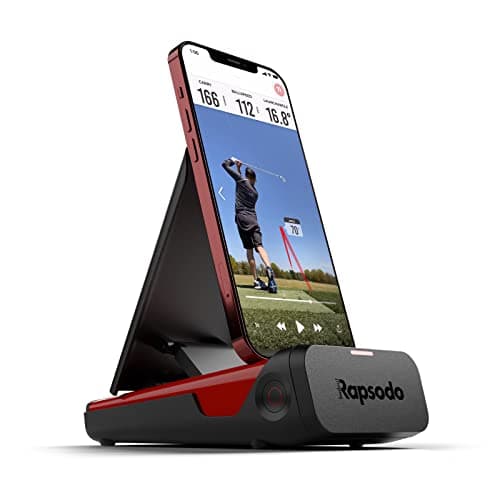
In a home simulator setup, this launch monitor doesn't function as a full simulation package on its own: it's a data-capture device that slots in behind or beside the hitting area, using radar to read the ball as it leaves the mat or net. That placement matters because unlike camera-based systems, it needs a certain amount of usable flight to register a shot, and its readings are more likely to be inconsistent when swing conditions aren't ideal, ceiling height is tight, or the ball's flight path is partially obstructed. Data flows to a paired iPhone or iPad app rather than a dedicated simulator screen, so it works as a standalone practice tool for a net or short mat setup rather than a full-course simulation rig, though it can sit alongside other hardware for golfers building out a bigger system over time. Some users have reported occasional Bluetooth dropouts or app hiccups during a session, which is worth planning around if consistent, uninterrupted feedback is the priority. There's also debate over how thoroughly it captures spin-related metrics, so golfers who lean heavily on that data for fitting work should treat this as an open question rather than a settled strength. For most home practice setups focused on ball flight basics, though, it fits cleanly into a net-and-mat arrangement without demanding much else.
Specifications Explained
The numbers that matter most here are the physical ones: weight and footprint. A single-item package means there's no bundled tripod or accessory kit to account for, so factor that into your setup space and mounting plans separately. The black and red finish is purely cosmetic and has no bearing on performance. The 2019 release date tells you this is an established design rather than a first-generation product, though the supplied specs don't tell us anything about firmware updates or hardware revisions since then. None of these dimensions speak to tracking accuracy or data output, so treat them as logistics specs, not performance indicators.
Real-World Considerations
Real-world feedback points to a few practical wrinkles worth knowing before you buy. Using the MLM indoors or into a net takes real distance, several feet of ball flight, for the radar to lock on, so cramped garages or basements can be a poor fit unless you have room to work with. Some individual owners report the unit struggling to register unusual shots: topped balls, extreme mishits, or very high or low trajectories sometimes go untracked, though this shows up as scattered anecdotes rather than a consistent complaint across all users. The subscription model is the more persistent friction point: a portion of buyers say they didn't fully grasp that certain features require ongoing membership fees on top of the hardware cost, and that expectation gap colors their overall satisfaction even when the device itself performs as advertised.
Alternatives Worth Considering
If spin rate and detailed spin metrics matter for club fitting or serious shot shaping, this isn't the tool: it doesn't report that data, so a launch monitor built around full spin measurement would serve that need better. Buyers who only want basic swing feedback and simple stats without ongoing costs can run the MLM without a paid membership and still get useful practice data, which makes it a reasonable pick if you're wary of subscription models. On the flip side, golfers who need rock-solid consistency in non-ideal conditions or via Bluetooth, rather than occasional dropouts or accuracy hiccups, may want to look at higher-end systems, since the MLM's readings can waver outside controlled setups even though they compare well with pricier units in good outdoor conditions. Our research doesn't cover specific competing models by name or price, so we can't make direct product-to-product comparisons beyond these trade-offs.
Buying Advice
This fits best if you're already tied into Apple's ecosystem: it needs a fairly recent iPhone or iPad, and there's no Android support, so check your device before ordering. Setup is reportedly quick, which matters if you want to start collecting swing data without wrestling with a manual. If you plan to hit indoors, think about your space; some users report tracking or connectivity hiccups in tighter net setups, so a cramped garage or basement bay may not be ideal. On accuracy, keep expectations realistic: some comparisons put it close to pricier launch monitors, but not everyone agrees it holds up in every scenario, so treat it as a capable practice tool rather than a full fitting-bay substitute. Before buying, confirm current price and stock, since both can shift.
Considering it? Check the price of Rapsodo Mobile Launch Monitor Golf Simulator | MLM iPhone & iPad Only
$199.98 on Amazon
Frequently Asked Questions
Is the Rapsodo MLM compatible with Android devices, or is it iOS-only?
It's built for Apple's ecosystem only, so Android owners can't use it at this time.
What are the minimum iPhone or iPad requirements?
Some reviewers note the app runs best on a fairly recent iPhone or iPad, which can shut out golfers still running older Apple hardware.
How easy is it to set up and start using?
Reviews consistently describe setup as quick and intuitive, with straightforward alignment and pairing that gets most golfers collecting data within minutes of unboxing.
How accurate is it compared to premium launch monitors?
Outdoor testing shows ball speed, launch angle, and carry distance tracking closely with far pricier systems, and several reviewers say it holds up well against premium launch monitors in many scenarios. That said, golf forum users caution against treating it as a perfectly precise, professional-grade tool.
What connectivity issues have users reported, especially indoors?
Indoor or net use needs several feet of ball flight for the radar to read shots properly, which is tricky in a tight garage, and some users mention app bugs alongside occasional Bluetooth hiccups even though the hardware itself gets solid marks.
Does it have reliable shot detection, or are missed shots common?
Detection is generally solid, but some users report the unit struggling with topped balls, extreme mishits, or unusually high or low trajectories.
Editorial Verdict
For golfers who want believable numbers without a four-figure price tag, the Rapsodo MLM earns its recommendation. Reviewers consistently point to strong value at roughly $300, an intuitive setup process, and accuracy that tracks closely with pricier systems outdoors, sometimes within a small margin of premium monitors. Portability adds to its appeal for anyone splitting time between a range, garage, and backyard net. The tradeoffs are real: no spin metrics for serious fitting work, indoor use demands more space than many home setups allow, and some buyers feel blindsided by subscription costs tied to full functionality, plus the need for a newer iPhone or iPad. If you want swing and ball-flight feedback for practice rather than a fitting-grade tool, this earns a recommendation. Those chasing spin data or subscription-free operation should look elsewhere.